As an Amazon Associate we earn from qualifying purchases. See our affiliate disclosure.
[Get the best value car compound and polish on Amazon today!]
Are you tired of looking at swirl marks, scratches, and faded paint on your car? Do you dream of a finish so glossy you can see your reflection in it? You're in the right place! This guide will walk you through the process of using car compound and polish to restore your car's paint to its former glory, or even better! We'll cover everything you need to know, from understanding the difference between compound and polish to step-by-step instructions for achieving professional-looking results.
[Browse top-rated car compound and polish on Amazon]
Understanding Car Compound and Polish
Before we dive into the process, it's crucial to understand what car compound and polish are and how they differ. Think of them as two essential tools in your paint correction arsenal.
-
Car Compound: This is an abrasive product designed to remove imperfections like scratches, swirl marks, oxidation, and water spots. It essentially levels the clear coat by removing a very thin layer. Compounds come in various grades, from heavy-cut to light-cut, depending on the severity of the paint defects.
-
Car Polish: Polish is less abrasive than compound and is used to refine the paint after compounding. It removes any remaining haziness or swirl marks left by the compound and enhances the gloss and clarity of the paint. Think of it as the finishing touch that brings out the true beauty of your car's paint.
Using car compound and polish together is like a one-two punch for paint correction. The compound corrects the imperfections, and the polish refines and enhances the finish.
[Browse top-rated car compound and polish on Amazon]
Step-by-Step Guide to Using Car Compound and Polish
Here’s a detailed guide on how to properly use car compound and polish to bring your car’s paint back to life.
Step 1: Wash and Decontaminate Your Car
Before you even think about compounding or polishing, you need to thoroughly wash and decontaminate your car. This removes any loose dirt, grime, and contaminants that could scratch the paint during the correction process.
- Wash: Use a high-quality car wash soap and a microfiber wash mitt to wash your car thoroughly. Rinse well.
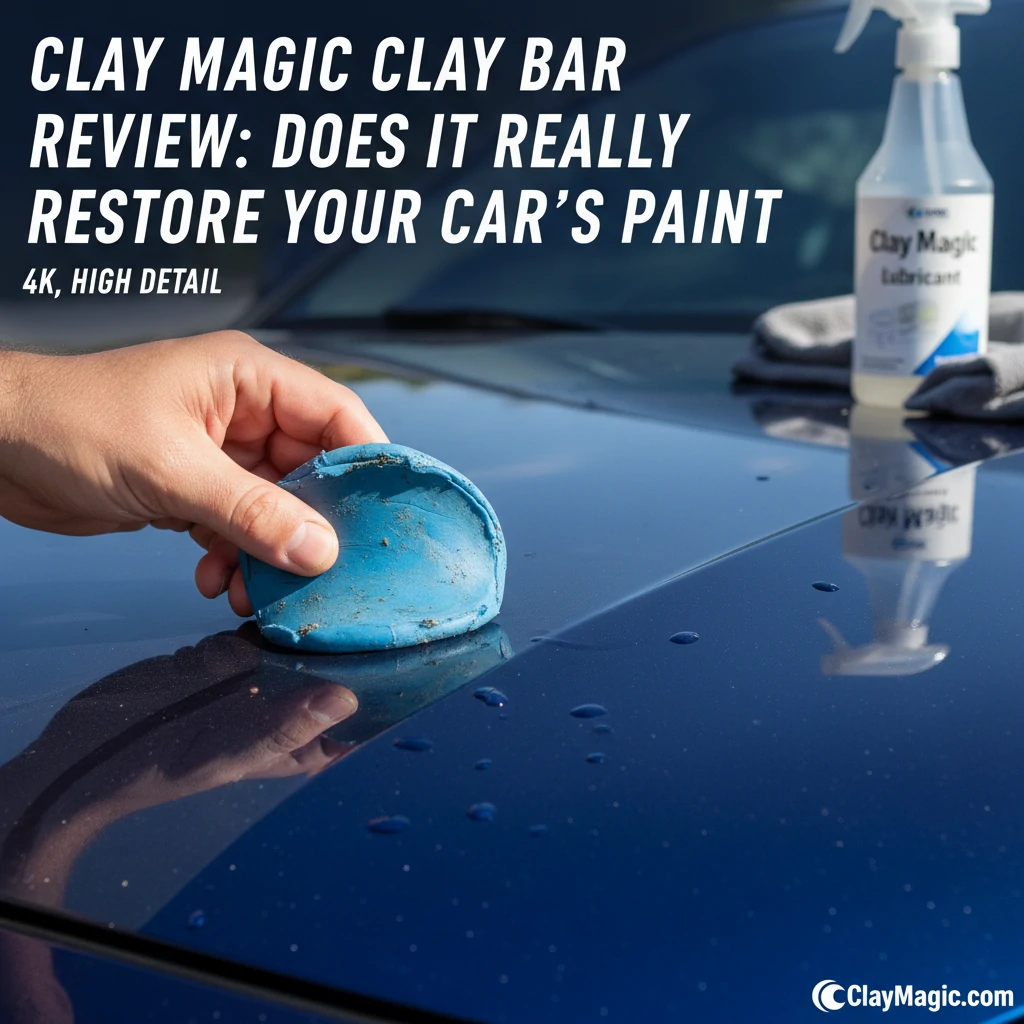
- Clay Bar: Use a clay bar to remove embedded contaminants like brake dust, tree sap, and industrial fallout. Lubricate the surface with a clay bar lubricant to prevent scratching.
- Dry: Dry your car with a clean microfiber drying towel.
Step 2: Tape Off Sensitive Areas
Protect any sensitive areas, such as plastic trim, rubber seals, and emblems, by taping them off with painter's tape. This will prevent the compound and polish from staining or damaging these surfaces.
Step 3: Choose the Right Compound
Selecting the right car compound is crucial. Start with the least aggressive compound that will effectively remove the imperfections. If you're unsure, test a small, inconspicuous area first. Generally:
- Heavy-cut compounds are for severe scratches and oxidation.
- Medium-cut compounds are for moderate swirl marks and imperfections.
- Light-cut compounds are for minor swirl marks and enhancing gloss.
Step 4: Apply the Compound
You can apply the car compound by hand or with a machine polisher. A machine polisher will generally provide better and faster results, but hand application is also possible for smaller areas or if you don't have a polisher.
Machine Application:
- Attach a compounding pad to your machine polisher.
- Apply a small amount of compound to the pad.
- Work in small sections (approximately 2ft x 2ft).
- Use overlapping passes with moderate pressure.
- Wipe off the residue with a clean microfiber towel.
Hand Application:
- Apply a small amount of compound to a microfiber applicator pad.
- Work in small sections using firm, even pressure.
- Use overlapping circular motions.
- Wipe off the residue with a clean microfiber towel.
Step 5: Inspect Your Work
After compounding a section, inspect your work carefully under good lighting. Look for any remaining imperfections or haziness. If necessary, repeat the compounding process or move on to a more aggressive compound.
Step 6: Choose the Right Polish
Once you've corrected the paint with the compound, it's time to refine the finish with car polish. Choose a polish that is designed to remove swirl marks and enhance gloss.
Step 7: Apply the Polish
Similar to the compound, you can apply the car polish by hand or with a machine polisher. Use a polishing pad for machine application or a microfiber applicator pad for hand application.
Machine Application:
- Attach a polishing pad to your machine polisher.
- Apply a small amount of polish to the pad.
- Work in small sections using overlapping passes with light pressure.
- Wipe off the residue with a clean microfiber towel.
Hand Application:
- Apply a small amount of polish to a microfiber applicator pad.
- Work in small sections using light, even pressure.
- Use overlapping circular motions.
- Wipe off the residue with a clean microfiber towel.
Step 8: Inspect Your Work Again
After polishing a section, inspect your work carefully. The paint should be smooth, glossy, and free of swirl marks. If necessary, repeat the polishing process or try a different polish.
Step 9: Apply a Protective Layer
Now that you've restored your car's paint to showroom shine, it's essential to protect it with a layer of wax, sealant, or ceramic coating. This will help to prevent future damage and keep your paint looking its best.
- Wax: Provides a warm, glossy shine and offers good protection against the elements.
- Sealant: Offers longer-lasting protection than wax and is more resistant to detergents and chemicals.
- Ceramic Coating: Provides the ultimate protection against scratches, UV rays, and chemical contaminants. It can last for several years.
Follow the manufacturer's instructions for applying your chosen protective layer.
Step 10: Admire Your Work!
Step back and admire your hard work! Your car's paint should now be smooth, glossy, and free of imperfections. You've successfully restored your car's paint to showroom shine using car compound and polish!
[Browse top-rated car compound and polish on Amazon]
Tools for the Job
To effectively use car compound and polish, you'll need the right tools. Here are a few recommendations:
- Meguiar's Ultimate Compound: This is a great all-around compound that is effective at removing swirl marks, scratches, and oxidation. It's safe for use on all paint types and can be applied by hand or with a machine polisher. Its micro-abrasive technology makes it effective without being overly aggressive.
- Chemical Guys V36 Optical Grade Cutting Polish: This polish is designed to remove swirl marks and enhance gloss. It's easy to use and produces excellent results. It's especially effective after using Meguiar's Ultimate Compound.
- Adam's Polishes Microfiber Towels: High-quality microfiber towels are essential for wiping off compound and polish residue without scratching the paint.
- TORQ Professional 10FX Random Orbital Polisher: A dual action polisher makes the compounding and polishing process much easier and faster. This one is a good balance of performance and affordability.
[Browse top-rated car compound and polish on Amazon]
Pro-Tips / FAQ Section
Here are some pro-tips and answers to frequently asked questions about using car compound and polish:
- Always work in a well-lit area: This will allow you to see any imperfections and ensure that you're achieving the desired results.
- Don't apply too much pressure: Let the compound and polish do the work. Applying too much pressure can damage the paint.
- Keep your pads clean: Clean your compounding and polishing pads regularly to prevent them from becoming clogged with residue.
- Test in an inconspicuous area first: Before applying compound or polish to the entire car, test a small, inconspicuous area to ensure that it doesn't damage the paint.
- What's the difference between a glaze and a polish? Glazes are primarily designed to fill in minor imperfections, while polishes are designed to remove them. Glazes don't typically contain abrasives.
- Can I use compound and polish on a ceramic coated car? It is generally not recommended to use compound and polish on a ceramic coated car unless you are prepared to remove the coating. Polishing will remove the coating and require reapplication.
- How often should I compound and polish my car? This depends on the condition of your paint and how well you maintain it. Generally, compounding and polishing should only be done when necessary to correct imperfections. Over-polishing can thin the clear coat.
[Browse top-rated car compound and polish on Amazon]
Encouraging Conclusion
Restoring your car's paint to showroom shine with car compound and polish might seem daunting at first, but with the right tools, products, and techniques, it's definitely achievable. By following this step-by-step guide, you can transform your car's appearance and protect its paint for years to come. So, grab your supplies, roll up your sleeves, and get ready to give your car the makeover it deserves! You'll be amazed at the difference car compound and polish can make. Happy detailing!
[Check the latest prices and deals for car compound and polish on Amazon today!]