As an Amazon Associate we earn from qualifying purchases. See our affiliate disclosure.
[Get the best value cavity wax on Amazon today!]
Rust. It’s the bane of any car owner's existence. You meticulously wash and wax your vehicle, only to find those dreaded orange spots creeping in. While surface rust is annoying, the real threat lurks within: rust and corrosion in the cavities and hard-to-reach areas of your car's frame. That's where cavity wax comes in.
This 2026 guide will dive deep into the world of cavity wax, showing you exactly how it protects your car from the inside out. We'll cover what it is, why you need it, how to apply it, and everything else you need to know to keep your ride rust-free for years to come. Let's get started!
[Browse top-rated cavity wax on Amazon]
Why is Rust a Problem in Car Cavities?
Before we jump into the solution, let's understand the problem. Car cavities, like rocker panels, door sills, frame rails, and other enclosed areas, are particularly susceptible to rust for a few key reasons:
- Moisture Trapping: These areas are designed to channel water away from the passenger compartment, but that water often gets trapped inside the cavities. This creates a consistently damp environment, perfect for rust to form.
- Limited Airflow: The lack of airflow in these enclosed spaces means that moisture takes longer to evaporate, further exacerbating the problem.
- Salt and Road Debris Accumulation: Salt, road grime, and other corrosive materials get kicked up from the road and find their way into these cavities. These contaminants accelerate the rusting process.
- Thin Metal: In many cavity areas, the metal is thinner than the exterior panels, making it more vulnerable to corrosion.
- Factory Coatings Degradation: Over time, the factory coatings applied to these areas can degrade, leaving the bare metal exposed to the elements.
The combination of these factors creates a perfect storm for rust to thrive in your car's cavities, leading to structural damage, reduced vehicle lifespan, and costly repairs. Cavity wax is designed to combat this specific problem.
[Browse top-rated cavity wax on Amazon]
Cavity Wax: The Solution to Internal Rust
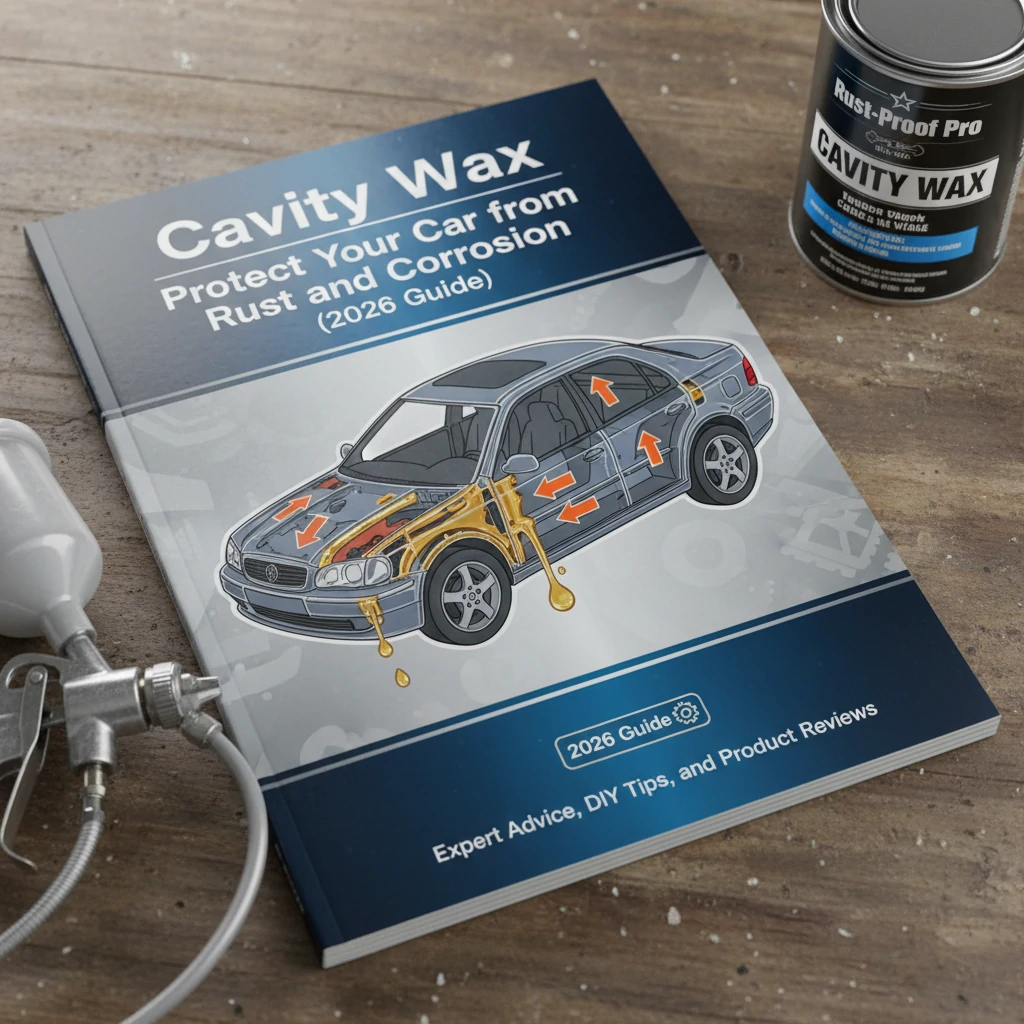
So, what exactly is cavity wax, and how does it solve the rust problem? Cavity wax, also known as internal frame coating or rust inhibitor, is a specialized wax-based product designed to penetrate and protect the internal cavities of your vehicle. It's different from regular car wax, which is intended for exterior surfaces.
Here's how cavity wax works:
- Penetration: Cavity wax is formulated to be thin and fluid, allowing it to creep into tight spaces, seams, and crevices within the cavities. This ensures that it reaches all the vulnerable areas.
- Water Displacement: Cavity wax actively displaces moisture, pushing water away from the metal surface and preventing it from causing rust.
- Corrosion Inhibition: The wax contains corrosion inhibitors that chemically bond to the metal surface, creating a protective barrier that prevents rust from forming.
- Long-Term Protection: Unlike some rust prevention products that evaporate or wash away quickly, cavity wax is designed to provide long-lasting protection, typically for several years.
- Self-Healing: Some cavity waxes have self-healing properties, meaning that if the coating is scratched or damaged, it will slowly flow back to cover the exposed area, maintaining protection.
By penetrating, displacing moisture, inhibiting corrosion, and providing long-term protection, cavity wax effectively safeguards your car's internal structures from rust and corrosion, extending its lifespan and preserving its value.
Here are a few recommended products to get you started:
- Woolwax Undercoating: Woolwax is a popular choice known for its lanolin-based formula and excellent rust prevention properties. It's particularly effective in harsh winter climates.
- Fluid Film Black: Fluid Film is another lanolin-based product that's widely used for rust protection. Its black color makes it easy to see where it has been applied.
- POR-15 Internal Frame Coating: POR-15 is a more heavy-duty option that provides a tough, durable coating. It's often used on vehicles that are already showing signs of rust.
These products typically come in aerosol cans with long, flexible wands that allow you to reach deep into the cavities of your car.
[Browse top-rated cavity wax on Amazon]
How to Apply Cavity Wax: A Step-by-Step Guide
Applying cavity wax is a relatively straightforward process, but it's important to do it correctly to ensure maximum protection. Here's a step-by-step guide:
Step 1: Preparation is Key
Before you start, gather your supplies:
- Cavity wax (with applicator wand)
- Safety glasses
- Gloves
- Rags or paper towels
- Jack and jack stands (optional, but recommended for easier access)
- Inspection mirror (optional, for checking hard-to-see areas)
- Pressure washer (optional, for cleaning cavities)
Step 2: Clean the Cavities (Optional but Recommended)
If your car is relatively new and the cavities are clean, you can skip this step. However, if your car has been exposed to salt or road grime, it's a good idea to clean the cavities first. Use a pressure washer with a long wand to flush out any debris. Make sure the cavities are completely dry before applying the wax.
Step 3: Access the Cavities
Identify the access points to the cavities you want to protect. These are typically drain holes or pre-existing openings in the rocker panels, door sills, frame rails, and other areas. You may need to remove plastic plugs or covers to gain access. Using a jack and jack stands can make it easier to reach these areas. Always use jack stands when working under a vehicle.
Step 4: Apply the Cavity Wax
Insert the applicator wand into the access point and begin spraying the cavity wax. Move the wand around to ensure that the entire cavity is coated. Apply a generous amount of wax, but avoid over-spraying, which can create drips and runs. Pay particular attention to seams, welds, and other areas where rust is likely to form.
Step 5: Repeat for All Cavities
Repeat the process for all the cavities you want to protect. Don't forget to treat the inside of doors, the underside of the hood and trunk, and any other enclosed areas that are susceptible to rust.
Step 6: Clean Up
Wipe away any excess wax with a rag or paper towel. Replace any plastic plugs or covers that you removed.
Step 7: Allow to Cure
Allow the cavity wax to cure for at least 24 hours before driving your car. This will give the wax time to fully penetrate and bond to the metal surface.
That's it! You've successfully applied cavity wax and protected your car from rust and corrosion.
[Browse top-rated cavity wax on Amazon]
Tools for the Job
While the application process is straightforward, having the right tools can make it even easier and more effective. Here are a couple of recommended products that can help:
-
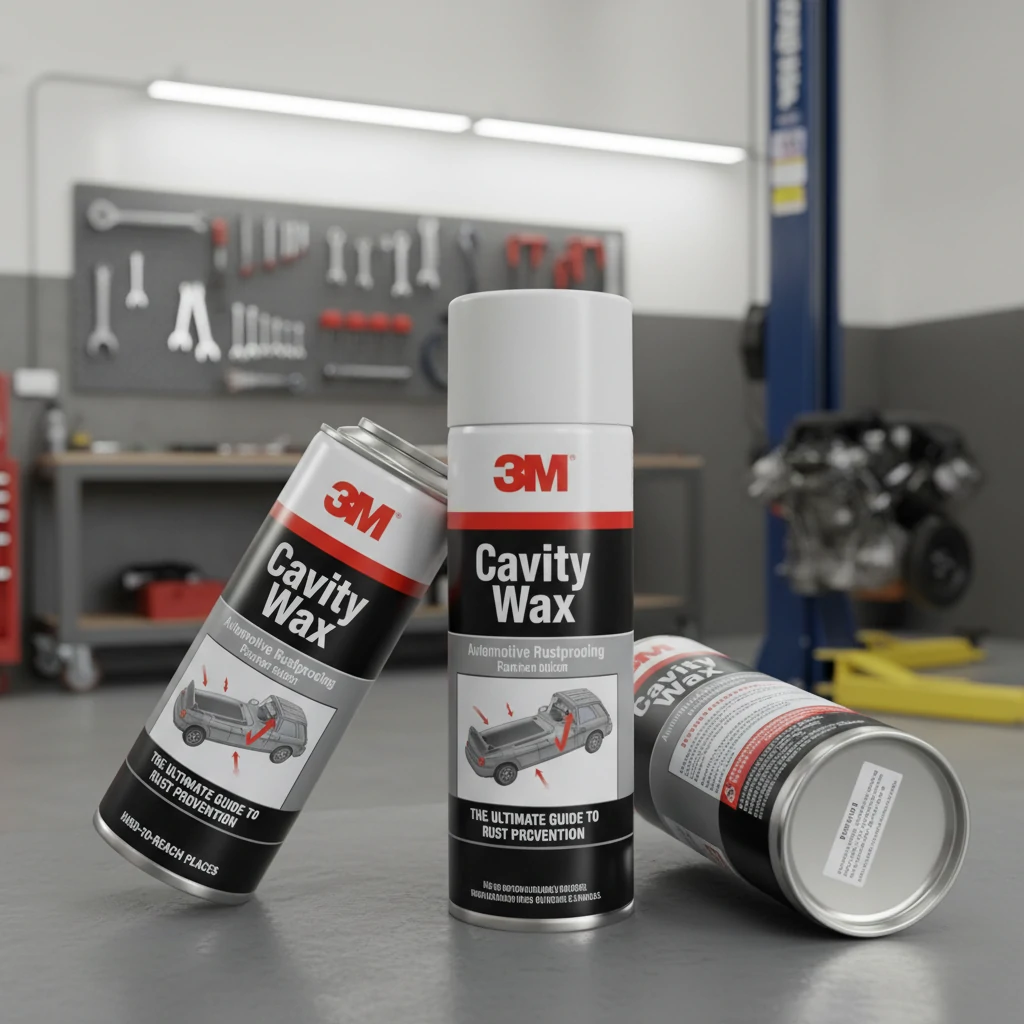
3M Cavity Wax Plus 08834: This cavity wax is a favorite among professionals and DIYers alike. It's known for its excellent penetration, corrosion inhibition, and long-lasting protection. The included applicator wand makes it easy to reach even the most difficult areas.
- Key Features:
- Excellent penetration and coverage
- Long-lasting corrosion protection
- Easy-to-use applicator wand
- Self-healing properties
- Why We Like It: The 3M Cavity Wax Plus is a top-quality product that provides exceptional rust protection. Its self-healing properties ensure that even if the coating is scratched or damaged, it will continue to protect your car from rust.
- Key Features:
-
Eastwood Internal Frame Coating: This coating is designed specifically for protecting the internal frames of vehicles. It's a heavy-duty product that provides a tough, durable barrier against rust and corrosion.
- Key Features:
- Heavy-duty corrosion protection
- Excellent adhesion to metal surfaces
- Resistant to chipping and cracking
- Easy to apply with included applicator wand
- Why We Like It: The Eastwood Internal Frame Coating is a great choice for vehicles that are exposed to harsh conditions or that are already showing signs of rust. Its tough, durable formula provides long-lasting protection against even the most severe corrosion.
- Key Features:
[Browse top-rated cavity wax on Amazon]
Pro-Tips and FAQs
Here are a few pro-tips and frequently asked questions about cavity wax:
- Apply in Warm Weather: Cavity wax is easier to apply in warm weather, as the heat helps to thin the wax and improve its penetration.
- Don't Over-Apply: Applying too much cavity wax can create drips and runs, which can be messy and unsightly. Apply a generous amount, but avoid over-spraying.
- Reapply Periodically: Cavity wax is designed to provide long-lasting protection, but it will eventually wear off over time. Reapply the wax every few years to maintain optimal protection.
- Can I apply cavity wax over existing rust? It's best to remove any loose rust before applying cavity wax. However, the wax will still provide some protection even if you can't remove all the rust.
- Is cavity wax the same as undercoating? No, cavity wax is designed for internal cavities, while undercoating is designed for the exterior undercarriage of the vehicle.
- **Can I use WD-4
[Check the latest prices and deals for cavity wax on Amazon today!]