As an Amazon Associate we earn from qualifying purchases. See our affiliate disclosure.
[Get the best value natural wax on Amazon today!]
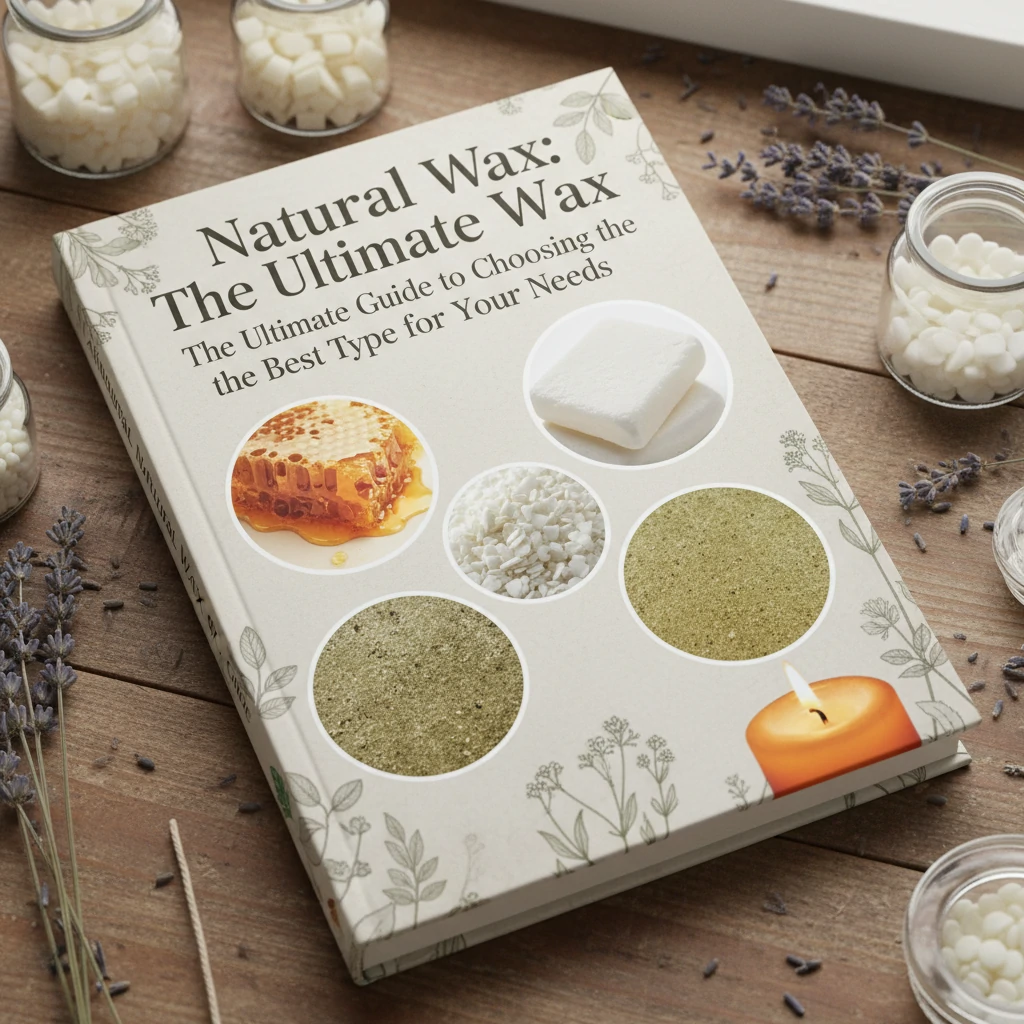
Choosing the right wax for your project can feel overwhelming. With so many options available, from beeswax to soy wax, it's tough to know where to start. But don't worry! This ultimate guide will break down everything you need to know about natural waxes, helping you select the perfect type for candles, cosmetics, woodworking, and more. We’ll explore the different types of natural wax, their unique properties, and the best applications for each.
[Browse top-rated natural wax on Amazon]
What is Natural Wax?
Simply put, natural wax is derived from renewable resources, such as plants, animals, or minerals. Unlike synthetic waxes, which are often petroleum-based, natural waxes are biodegradable and generally considered more environmentally friendly. This makes them a popular choice for those looking for sustainable alternatives in various applications.
[Browse top-rated natural wax on Amazon]
The Different Types of Natural Wax
Let's dive into some of the most common types of natural wax and their specific characteristics:
Beeswax
Beeswax is perhaps the most well-known natural wax. Produced by honeybees, it's been used for centuries in everything from candles to cosmetics.
- Properties: Beeswax has a distinct honey-like aroma and a high melting point. It's also known for its pliability and ability to hold its shape.
- Uses:
- Candles: Beeswax candles burn cleanly and slowly, emitting a natural fragrance.
- Cosmetics: It's a common ingredient in lip balms, lotions, and creams, providing a protective barrier and moisturizing properties.
- Woodworking: Beeswax can be used as a wood finish, providing a protective layer and enhancing the natural grain.
- Food Wraps: Beeswax wraps are a sustainable alternative to plastic wrap, keeping food fresh.
- Pros: Natural scent, slow burning, non-toxic, water-resistant.
- Cons: Can be more expensive than other waxes, may develop "bloom" (a white film) over time.
Soy Wax
Soy wax is made from soybean oil, making it a renewable and sustainable option. It has gained popularity as a cleaner-burning alternative to paraffin wax in candle making.
- Properties: Soy wax has a lower melting point than beeswax, allowing for a better scent throw in candles. It's also biodegradable and easy to clean up with soap and water.
- Uses:
- Candles: Soy wax candles are popular for their clean burn and ability to hold fragrance well.
- Cosmetics: It's used in some lotions and creams for its moisturizing properties.
- Pros: Renewable, biodegradable, excellent scent throw, easy to clean.
- Cons: Can have a frosting effect (white spots) on the surface, may require additives for optimal performance.
Carnauba Wax
Carnauba wax is derived from the leaves of the carnauba palm tree, native to Brazil. It's known for its hardness and high gloss finish.
- Properties: Carnauba wax has a very high melting point and creates a hard, glossy surface. It's often used as a coating or polish.
- Uses:
- Car Wax: Provides a protective layer and a high-gloss shine to car paint.
- Cosmetics: Used in lipsticks, mascaras, and other cosmetics to provide structure and gloss.
- Food Industry: Used as a coating on candies and fruits to enhance their appearance and preserve freshness.
- Pros: Very hard and durable, high gloss finish, water-resistant.
- Cons: Can be brittle, requires careful application.
Candelilla Wax
Candelilla wax is extracted from the leaves of the candelilla shrub, native to Mexico and the southwestern United States. It's often used as a vegan alternative to beeswax.
- Properties: Candelilla wax is hard and brittle, with a high melting point. It provides a good gloss and is often used as a thickening agent.
- Uses:
- Cosmetics: Used in lip balms, lotions, and mascaras as a thickening agent and emollient.
- Candles: Can be used in candle blends to increase hardness and melting point.
- Food Industry: Used as a coating for candies and chewing gum.
- Pros: Vegan, hard and glossy, good emulsifier.
- Cons: Can be brittle, requires careful blending.
Rice Bran Wax
Rice bran wax is derived from rice bran oil, a byproduct of rice milling. It's a relatively new type of natural wax that's gaining popularity.
- Properties: Rice bran wax is hard and crystalline, with a high melting point. It has good oil-binding properties and is often used as a thickening agent.
- Uses:
- Cosmetics: Used in lotions, creams, and lipsticks for its emollient and thickening properties.
- Food Industry: Used as a coating for fruits and vegetables to extend their shelf life.
- Candles: Can be used in candle blends to increase hardness and melting point.
- Pros: Readily available, good oil-binding properties, relatively inexpensive.
- Cons: Can be brittle, may require blending with other waxes.
[Browse top-rated natural wax on Amazon]
Choosing the Right Natural Wax: Key Considerations
Now that you know about the different types of natural wax, here's what to consider when making your selection:
- Intended Use: What will you be using the wax for? Candles require different properties than cosmetics or woodworking finishes.
- Melting Point: Consider the desired melting point for your application. Lower melting points are suitable for candles, while higher melting points are needed for polishes and coatings.
- Scent Throw: If you're making candles, consider the wax's ability to hold and release fragrance. Soy wax is known for its excellent scent throw.
- Sustainability: If environmental impact is a concern, choose waxes derived from renewable resources, such as soy wax or beeswax from sustainable beekeeping practices.
- Cost: Natural waxes vary in price. Beeswax and carnauba wax tend to be more expensive than soy wax or rice bran wax.
- Additives: Some waxes may require additives to improve their performance. For example, soy wax often needs additives to reduce frosting or improve scent throw.
[Browse top-rated natural wax on Amazon]
Natural Wax for Candles: A Deeper Dive
Candle making is one of the most popular uses for natural wax. Here's a closer look at the best options for candles:
- Soy Wax: As mentioned earlier, soy wax is a favorite for candles due to its clean burn, excellent scent throw, and renewable nature. It's a great choice for beginners.
- Beeswax: Beeswax candles offer a natural honey scent and a slow, clean burn. They're a classic and luxurious option.
- Coconut Wax: Coconut wax is a relatively new option that's gaining popularity. It has a creamy texture and a good scent throw.
- Wax Blends: Many candle makers use wax blends to combine the benefits of different waxes. For example, a blend of soy wax and beeswax can provide a good scent throw and a clean burn.
When choosing wax for candles, consider the type of wick you'll be using, the fragrance oil load, and the desired burn time. Experimenting with different waxes and blends is key to finding the perfect combination for your candles.
A great option for melting wax for candle making is the Candle Making Pouring Pot from Amazon. It's durable, easy to clean, and makes pouring wax a breeze. The long handle helps keep you safe from the heat.
[Browse top-rated natural wax on Amazon]
Natural Wax for Cosmetics: A Guide
Natural waxes are widely used in cosmetics for their emollient, thickening, and protective properties. Here's a look at the best options for cosmetics:
- Beeswax: Provides a protective barrier and moisturizing properties. It's commonly used in lip balms, lotions, and creams.
- Candelilla Wax: A vegan alternative to beeswax, offering similar thickening and emollient properties. It's used in lipsticks, lotions, and mascaras.
- Carnauba Wax: Provides structure and gloss. It's used in lipsticks and mascaras.
- Rice Bran Wax: Offers emollient and thickening properties. It's used in lotions, creams, and lipsticks.
When choosing wax for cosmetics, consider its comedogenicity (tendency to clog pores) and its compatibility with other ingredients. Always perform a patch test before using a new wax on your skin.
For making your own lip balms, consider using a double boiler like the one available on Amazon. It provides gentle, even heat, preventing the wax from burning. This is essential for creating smooth and consistent cosmetic products.
[Browse top-rated natural wax on Amazon]
Natural Wax for Woodworking: Protection and Beauty
Natural waxes are used in woodworking to protect and enhance the natural beauty of wood. Here's a look at the best options for woodworking:
- Beeswax: Provides a protective layer and enhances the natural grain. It can be used alone or in combination with other finishes.
- Carnauba Wax: Provides a hard, glossy finish. It's often used as a topcoat over other finishes.
- Wax Blends: Woodworkers often use wax blends to combine the benefits of different waxes and oils.
[Check the latest prices and deals for natural wax on Amazon today!]