
As an Amazon Associate we earn from qualifying purchases. See our affiliate disclosure.
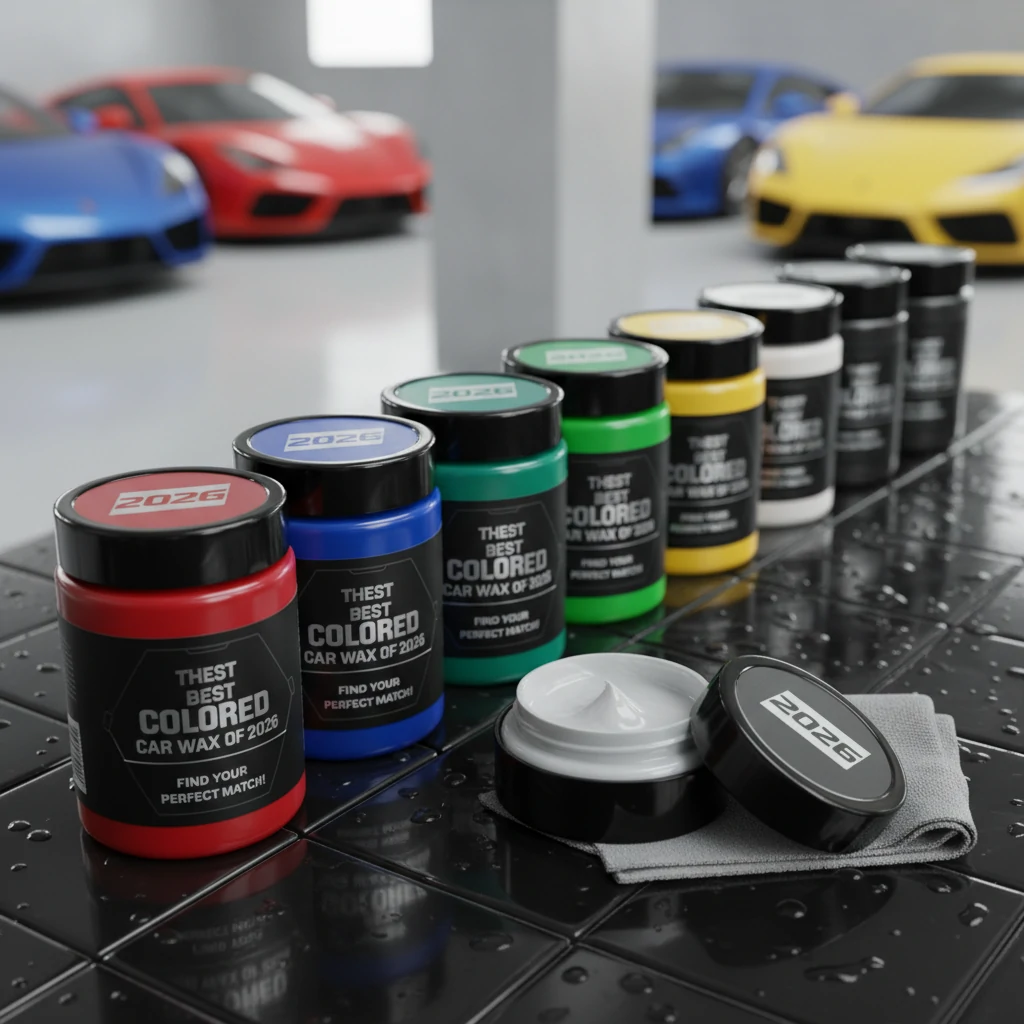
Colored or color-enhancing wax may temporarily improve the appearance of minor haze or fine marks, but it does not replace missing paint, repair clear-coat failure, or permanently correct a scratch.
Research basis: This material update is based on desk research and the primary source below. AutoblingReviews did not perform hands-on product testing for this page.
Affiliate disclosure: We may earn from qualifying purchases through retailer links, at no added cost to you. Affiliate commission is not a ranking criterion.
How we researched this guide
We used the following decision criteria:
- Paint and clear-coat compatibility
- Temporary appearance change versus actual correction
- Application instructions, residue risk, and realistic maintenance
Evidence limit: A color-enhancing wax should not be described as dye, touch-up paint, or a repair for oxidation and clear-coat failure.
Primary source checked
- Meguiar's Professional M26 Hi-Tech Yellow Wax — The official page supports its carnauba/polymer blend and use on glossy paint and clear coat.
For our full process, see the research methodology and editorial policy. Confirm the current label, instructions, compatibility, price, and availability before acting.
Compare current colored car wax listings on Amazon
What colored wax can do
Color-enhancing waxes and pigmented polishes can mask very fine marks or deepen the appearance of some finishes for a limited time. The result depends on the paint, preparation, lighting, and exact product. Protection and appearance should be evaluated separately.
What it cannot do
Wax cannot replace missing base coat, rebuild clear coat, stop active corrosion, or safely hide a scratch that reaches primer or metal. Those defects need proper paint correction, touch-up, or professional refinishing.
How to choose
- Confirm whether the vehicle has a modern clear coat and whether the label allows that surface.
- Match the product to the goal: protection, mild cleaning, filling, or true correction.
- Test an inconspicuous area and inspect residue in seams, textured trim, and chips.
- Follow the stated cure, wipe-off, temperature, and storage instructions.
- Prefer a conventional, well-documented protectant when color matching is uncertain.
Bottom line
Treat “color matching” as a cosmetic and temporary feature, not a repair. We removed unsupported rankings and could not verify the previously listed products as a current, comparable set from primary sources.